
Filter by
Elementary Negative Group Delay Filter Functions
A theoretical study of the behavior of some elementary first- and second-order functions, which are suitable for realizing negative group delay, is performed in this work. As both the gain and phase responses are simultaneously considered, important derivations related to the actual bandwidth of operation are derived accompanied by useful design tips. The presented theory is supported by
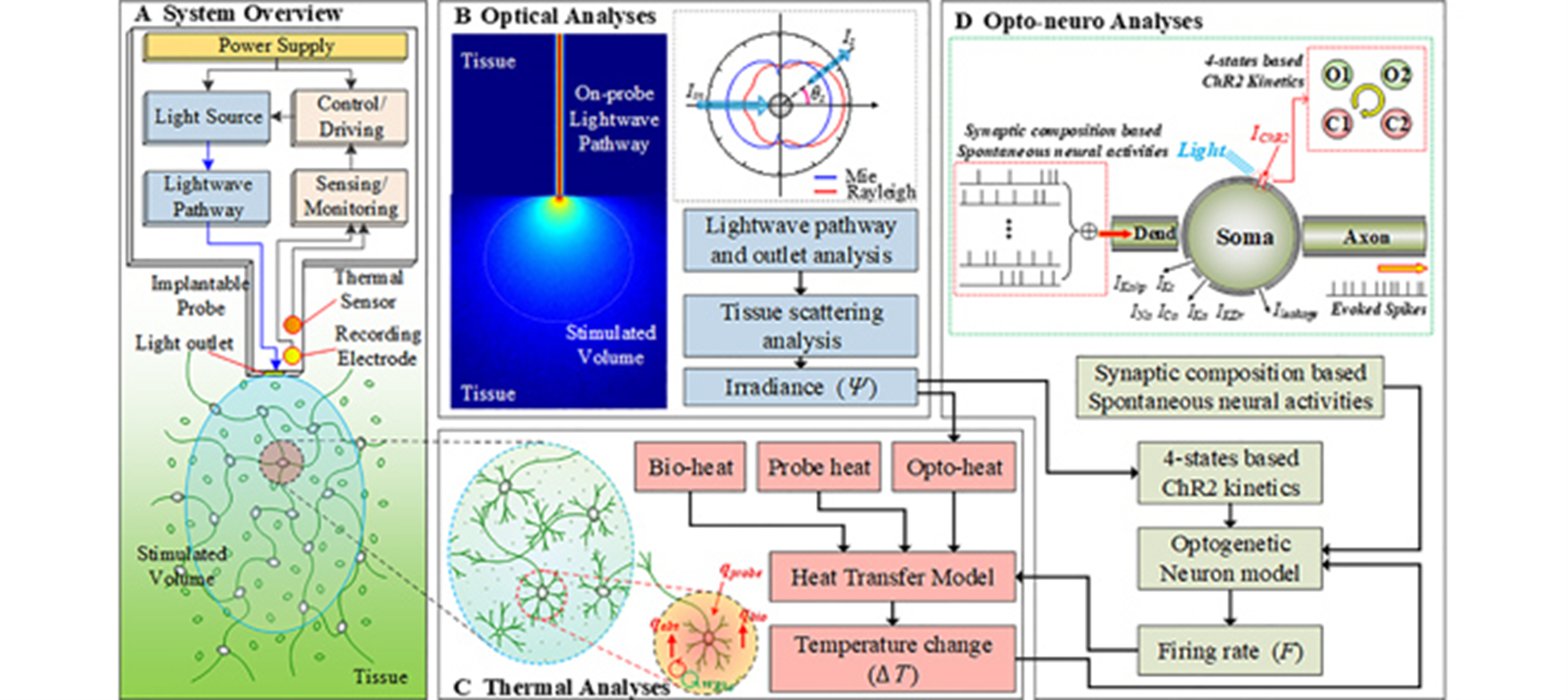
Optogenetic Multiphysical Fields Coupling Model for Implantable Neuroprosthetic Probes
Optogenetic-based neuroprosthetic therapies are increasingly being considered for human trials. However, the optoelectronic design of clinical-grade optogenetic-based neuroprosthetic probes still requires some thought. Design constraints include light penetration into the brain, stimulation efficacy, and probe/tissue heating. Optimisation can be achieved through experimental iteration. However
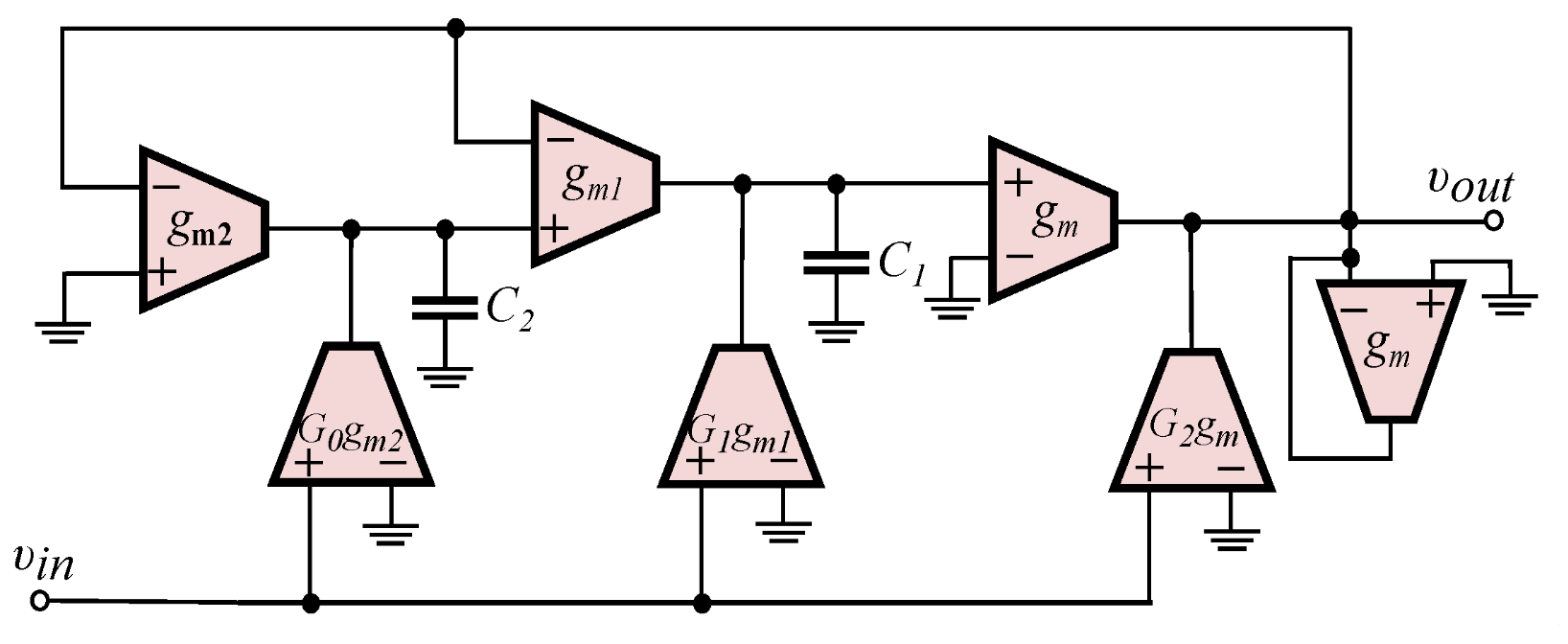
Power-Law Negative Group Delay Filters
A study of the behavior of the power-law negative group delay filters, accompanied by a comparison with their integer-order counterparts, is performed in this work. Employing a curve-fitting based approximation technique, the resulting integer-order rational transfer function is versatile in the sense that it has the same form independent of the order and/or the type of the filter. Its
Sustainable Energy-Aware Task Scheduling for Wearable Medical Device Using Flower Pollination Algorithm
Power management and energy conservation are crucial for medical wearable devices that rely on energy harvesting. These devices operate under strict power budgets and require prolonged and stable operation. To achieve this, Energy-aware task scheduling is proposed as a solution to minimize energy consumption while ensuring the continued operational capabilities of the device. our paper presents a
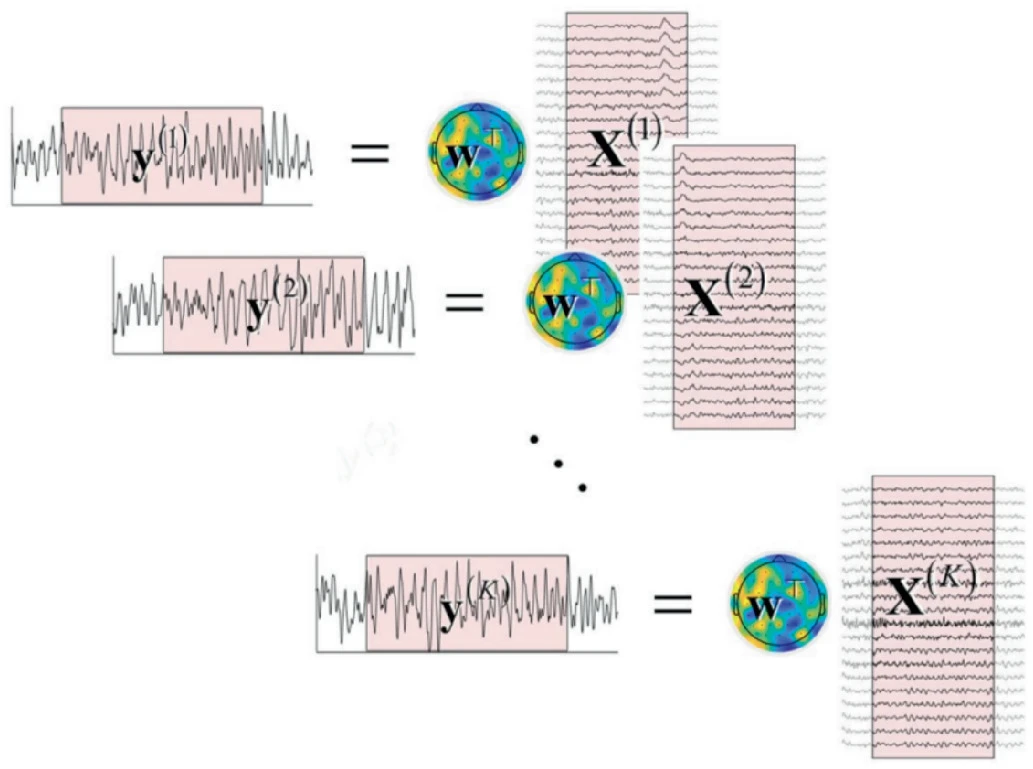
A Comparative Analysis of Time Series Transformers and Alternative Deep Learning Models for SSVEP Classification
Steady State Visually Evoked Potentials (SSVEPs) are intrinsic responses to specific visual stimulus frequencies. When the retina is activated by a frequency ranging from 3.5 to 75 Hz, the brain produces electrical activity at the same frequency as the visual signal, or its multiples. Identifying the preferred frequencies of neurocortical dynamic processes is a benefit of SSVEPs. However, the time
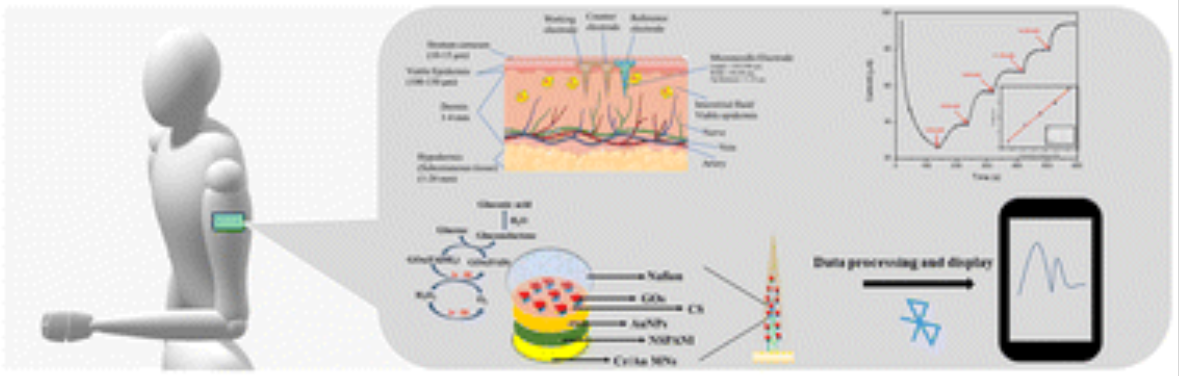
Early detection of hypo/hyperglycemia using a microneedle electrode array-based biosensor for glucose ultrasensitive monitoring in interstitial fluid
Diabetes is a common chronic metabolic disease with a wide range of clinical symptoms and consequences and one of the main causes of death. For the management of diabetes, painless and continuous interstitial fluid (ISF) glucose monitoring is ideal. Here, we demonstrate continuous diabetes monitoring using an integrated microneedle (MN) biosensor with an emergency alert system. MNs are a novel
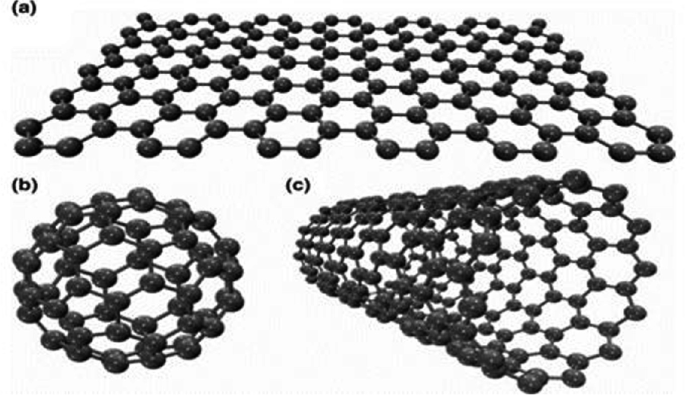
Carbon Nanomaterials and Their Composites as Adsorbents
Carbon nanomaterials with various nanostructures (carbon nanotubes, graphene, graphene oxide, fullerene, nano diamonds, carbon quantum dots, carbon nanofibers, graphitic carbon nitrides, and nano porous carbons) are the decade’s most distinguishing and popular materials. They have distinctive physicochemical qualities such as chemical stability, mechanical strength, hardness, thermal and
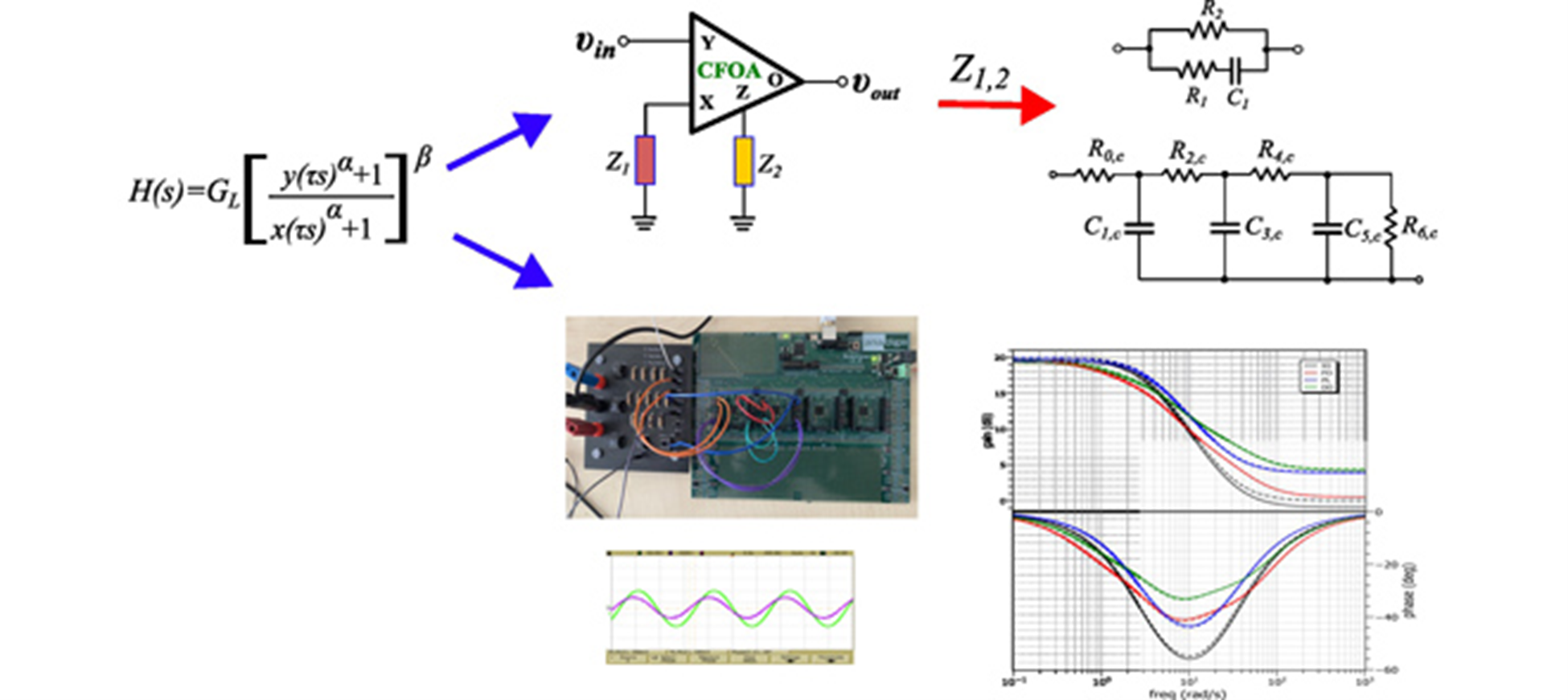
Bilinear Double-Order Filter Designs and Application Examples
A novel kind of non-integer order bilinear filters, named double-order bilinear filters, is introduced in this work. They are based on the employment of two non-integer orders, offering the maximum design flexibility in comparison with their fractional-order and power-law counterparts. An attractive offered benefit is that this is achieved without increasing the circuit complexity, since the
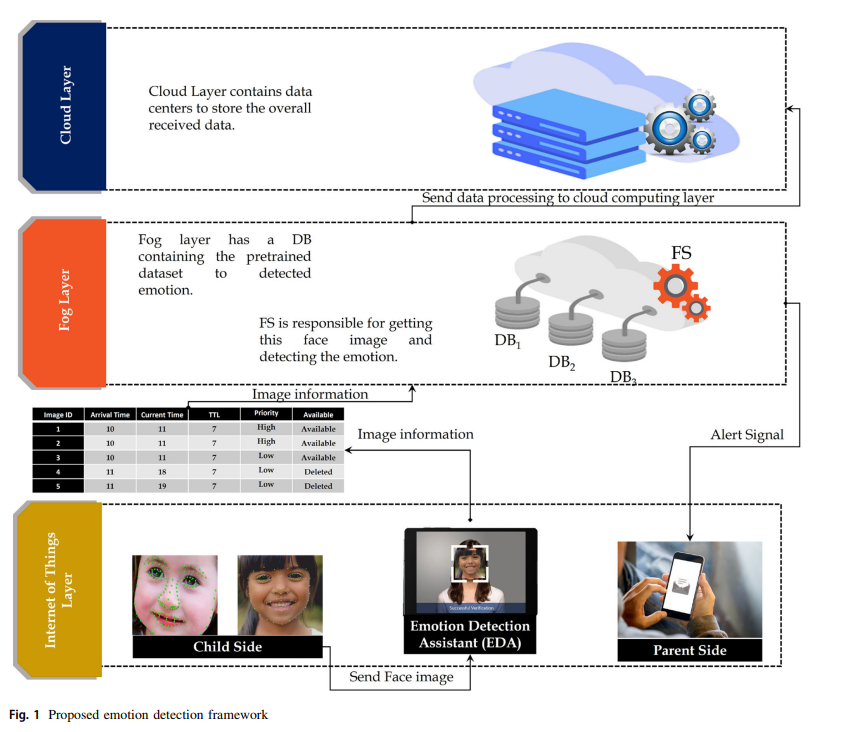
Real-time facial emotion recognition model based on kernel autoencoder and convolutional neural network for autism children
Autism Spectrum Disorder (ASD) is a neurodevelopmental disorder that is characterized by abnormalities in the brain, leading to difficulties in social interaction and communication, as well as learning and attention. Early diagnosis of ASD is challenging as it mainly relies on detecting abnormalities in brain function, which may not be evident in the early stages of the disorder. Facial expression
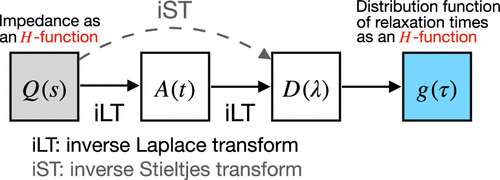
Procedure for Obtaining the Analytical Distribution Function of Relaxation Times for the Analysis of Impedance Spectra Using the Fox H-Function
The interpretation of electrochemical impedance spectroscopy data by fitting them to equivalent circuit models has been a standard method of analysis in electrochemistry. However, the inversion of the data from the frequency domain to a distribution function of relaxation times (DFRT) has gained considerable attention for impedance data analysis as it can reveal more detailed information about the