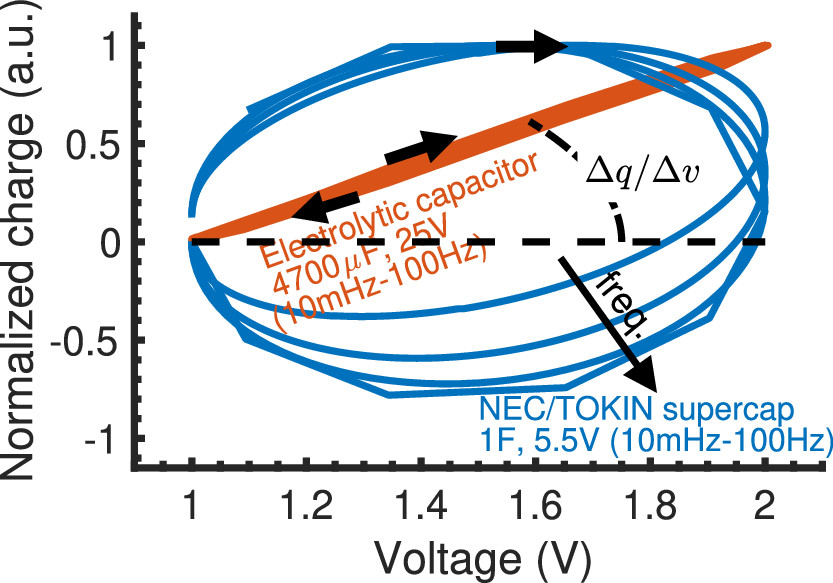
Tikhonov regularization for the deconvolution of capacitance from the voltage–charge response of electrochemical capacitors
The capacitance of capacitive energy storage devices cannot be directly measured, but can be estimated from the applied input and measured output signals expressed in the time or frequency domains. Here the time-domain voltage–charge relationship of non-ideal electrochemical capacitors is treated as an ill-conditioned convolution integral equation where the unknown capacitance kernel function is to be found. This comes from assuming a priori that in the frequency domain the charge is equal to the product of capacitance by voltage, which is in line with the definition of electrical impedance
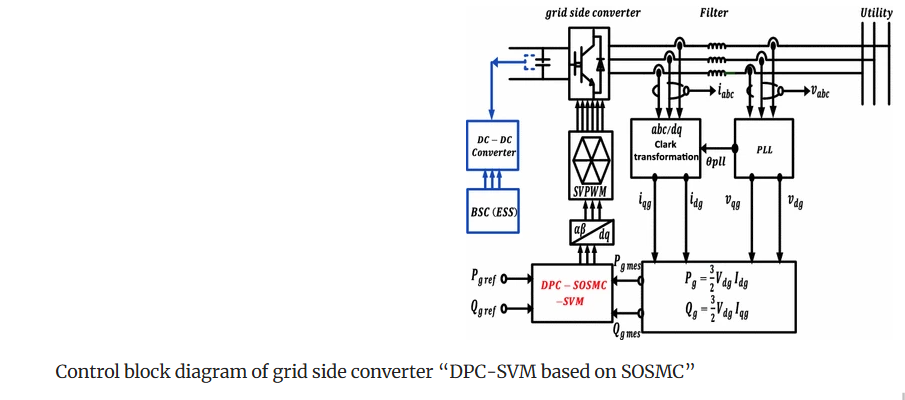
Robust adaptive supervisory fractional order controller for optimal energy management in wind turbine with battery storage
To address the challenges of poor grid stability, intermittency of wind speed, lack of decision-making, and low economic benefits, many countries have set strict grid codes that wind power generators must accomplish. One of the major factors that can increase the efficiency of wind turbines (WTs) is the simultaneous control of the different parts in several operating area. A high performance controller can significantly increase the amount and quality of energy that can be captured from wind. The main problem associated with control design in wind generator is the presence of asymmetric in the
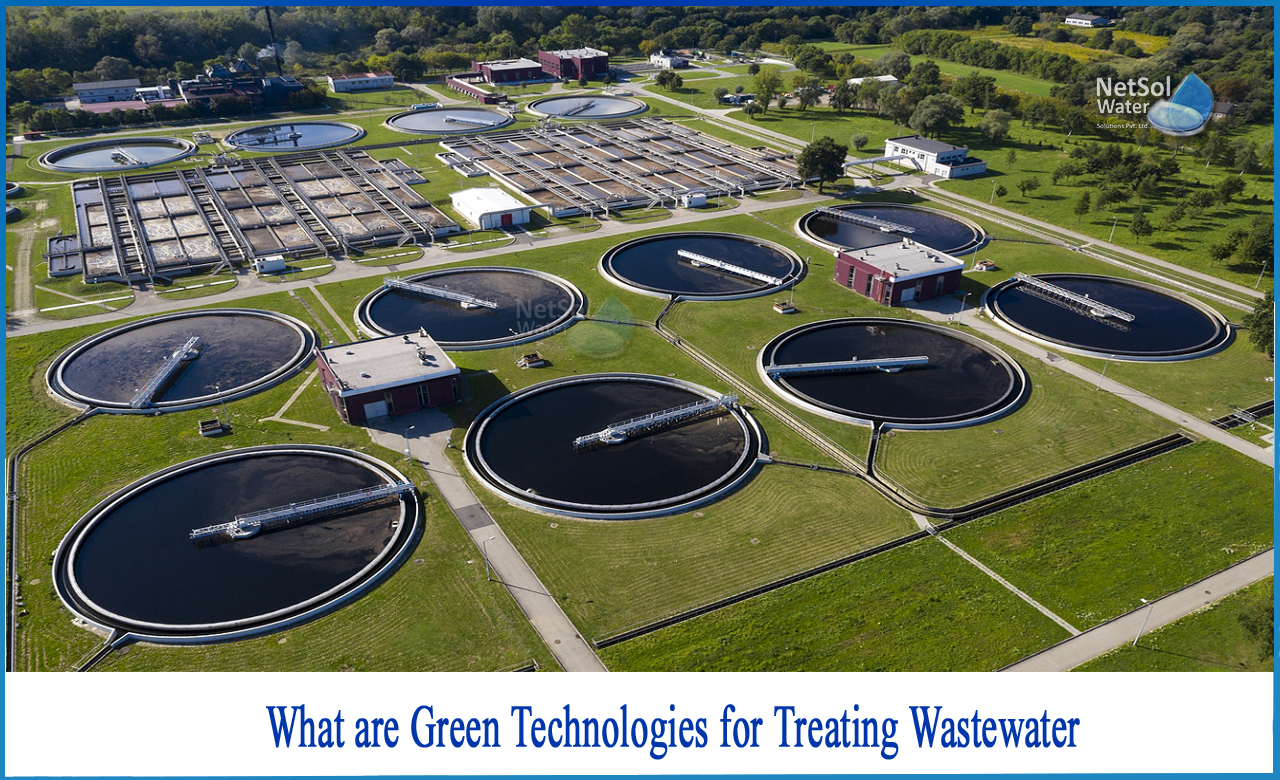
Applied Techniques for Wastewater Treatment
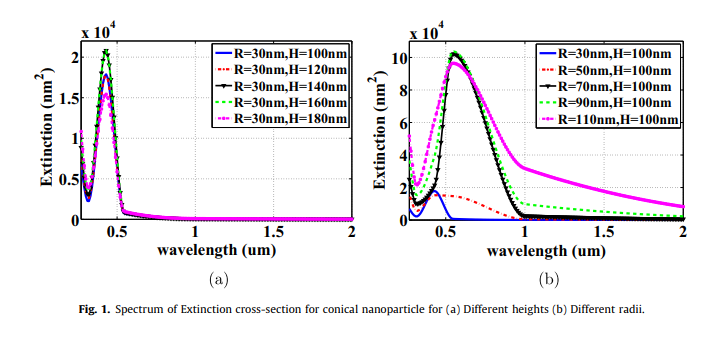
J-V characteristics of plasmonic photovoltaics with embedded conical and cylindrical metallic nanoparticles
Plasmonic photovoltaics (PVs) are promising structures that improve thin-film photovoltaics performance, where optical absorption is improved via embedding metallic nanoparticles in the PV's active layer to trap the incident optical wave into the photovoltaic cell. The presented work investigates the design of PV with both structures of conical and cylindrical metallic nanoparticles through studying their extinction cross-sections and electric field distributions. Also, the impact of these nanoparticles in silicon PVs on the optical absorption enhancement is investigated. The figure of merit
Analytical solution for fractional derivative gas-flow equation in porous media
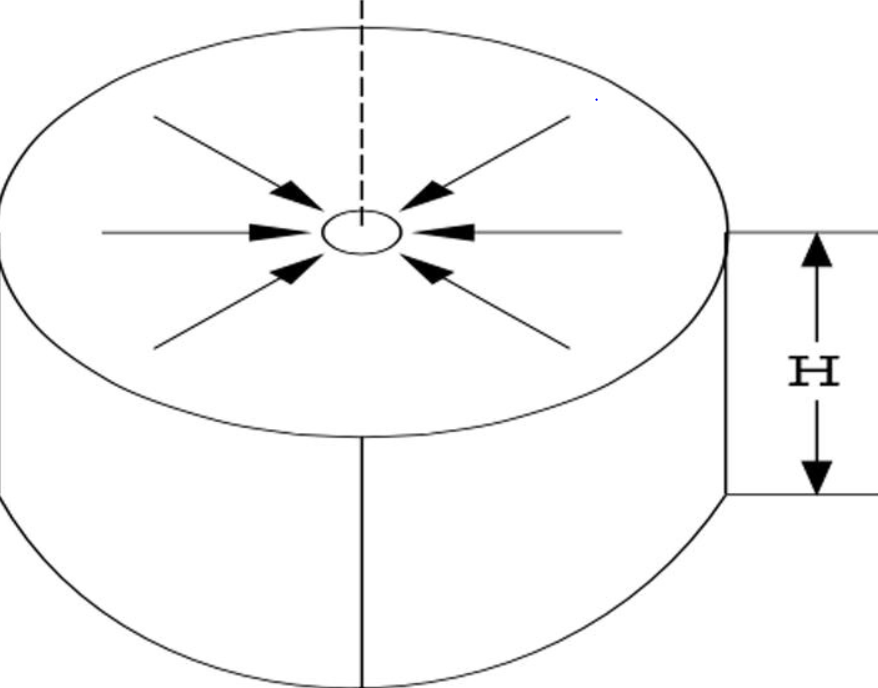
In this paper, we introduce an analytical solution of the fractional derivative gas transport equation using the power-series technique. We present a new universal transform, namely, generalized Boltzmann change of variable which depends on the fractional order, time and space. This universal transform is employed to transfer the partial differential equation into an ordinary differential equation. Moreover, the convergence of the solution has been investigated and found that solutions are unconditionally converged. Results are introduced and discussed for the universal variable and other
Fractional-Order Model (FOM) for high-strength substrate biodegradation in conventional UASB reactor
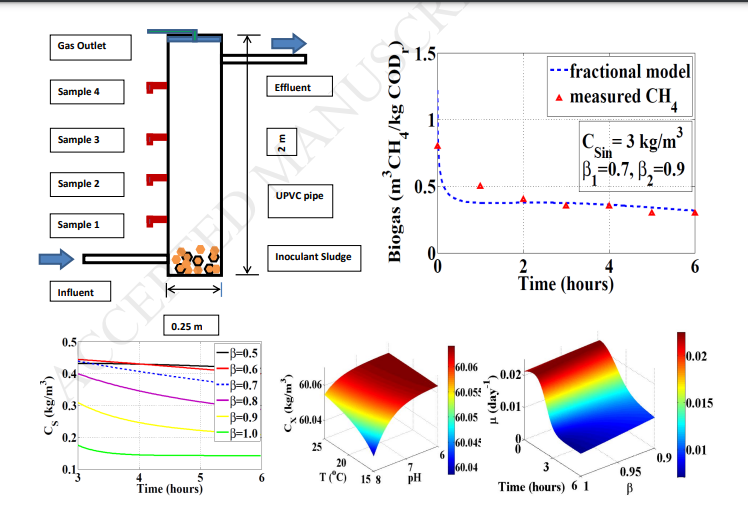
This paper introduces a Fractional-Order Model (FOM) of Up-flow Anaerobic Sludge Blanket (UASB) reactor for wastewater treatment regarding high-strength substrate biodegradation. The model can investigate the biogas production rate as well as the specific growth rate of bacteria with extra degree of freedom. Also, the hereditary effect of resident biomass on substrate degradation is studied on periodically long terms. Moreover, biomass concentration is examined in reactor under the influence of various fractional orders. Several numerical simulation results are introduced based on Grünwald
Modified kinetic-hydraulic UASB reactor model for treatment of wastewater containing biodegradable organic substrates
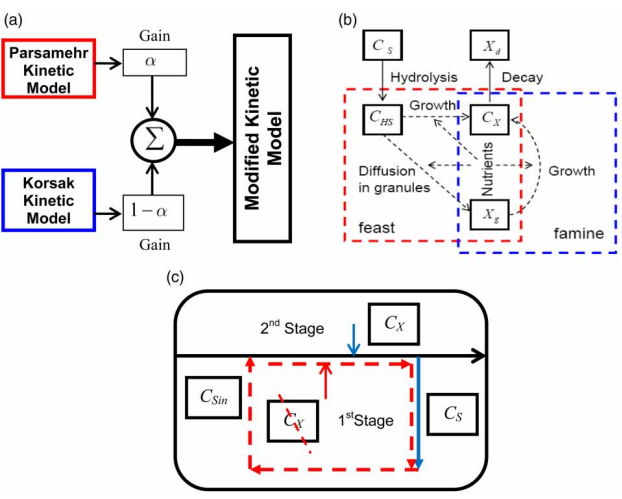
This paper addresses a modified kinetic-hydraulic model for up-flow anaerobic sludge blanket (UASB) reactor aimed to treat wastewater of biodegradable organic substrates as acetic acid based on Van der Meer model incorporated with biological granules inclusion. This dynamic model illustrates the biomass kinetic reaction rate for both direct and indirect growth of microorganisms coupled with the amount of biogas produced by methanogenic bacteria in bed and blanket zones of reactor. Moreover, the pH value required for substrate degradation at the peak specific growth rate of bacteria is
Novel 3D memory-centric NoC architecture for transaction-based SoC applications
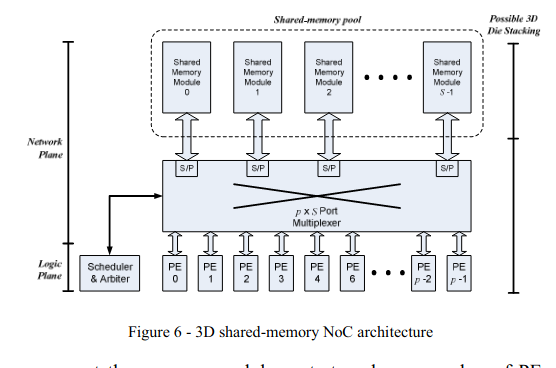
Large and complex system-on-chip devices consisting of many processor cores, accelerators, DSP functions and many other processing and memory elements are becoming common in the semiconductor industry nowadays. To communicate, these processing and memory elements need to have a network-on-chip (NoC) that is scalable enough to support large number of elements and large bandwidth among other requirements. This paper evaluates the performance of the 2D memory-centric NoC architecture from throughput and latency perspective versus the Mesh topology. We also propose a memory-centric architecture
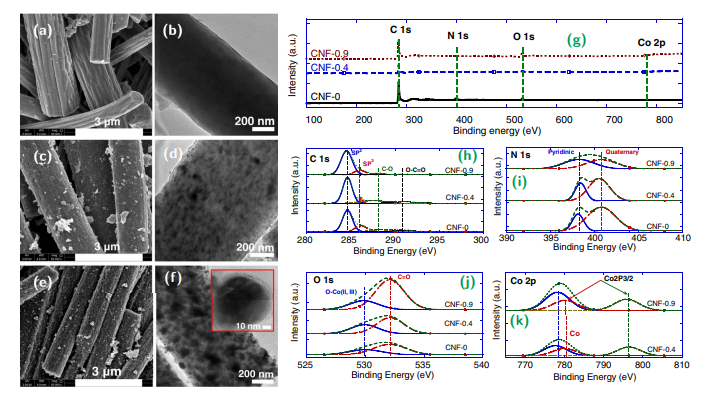
Frequency-dependent effective capacitance of supercapacitors using electrospun cobalt-carbon composite nanofibers
Mixing carbon-based materials with pseudocapacitive material is a widely used strategy to prepare high-energy, high-power supercapacitors. However, phase separation is inevitable after extended charging/discharging which leads to the degradation of performance metrics of the device. Here, we prepare in a single step cobalt-incorporated carbon nanofibers (CNF) by electrospinning homogeneous solutions of polyacrylonitrile (PAN) with cobalt acetate at different nominal proportions (1:0 to 1:1), and investigate their stability and capacitive behavior in symmetric supercapacitors. The