
Review on Coral Reef Regeneration Methods through Renewable Powered Electrotherapy
The restoration of coral reef population in coastal regions is currently a growing concern. Many attempts have been made to apply new approaches to limit the deterioration of coral reefs, and to accelerate the growth of new reefs to protect coastal areas and ecosystems using available renewable energy sources. This paper highlights the new approaches and their various advantages and limitations in tidal and wave energy. The paper also suggests improvements to some of those systems using the recent developments in soft robotics, especially the use of biomimetic fish as a feasible support
COVID-19 Diagnosis from CT-images Using Transfer Learning
In symptomatic patients, a positive COVID-19 test is critical for securing life-saving services such as ICU care and ventilator support; it may cause septic shock, septic pneumonia, respiratory failure, heart difficulties, liver issues, and even death. CAD systems help people in rural places and doctors in the early detection of COVID-19. A diagnostic and severity detection technique utilizing transfer learning and a backpropagation neural network has been developed with the aid of a computer for this purpose. This study aims to compare and analyze multiple deep learning-enhanced strategies
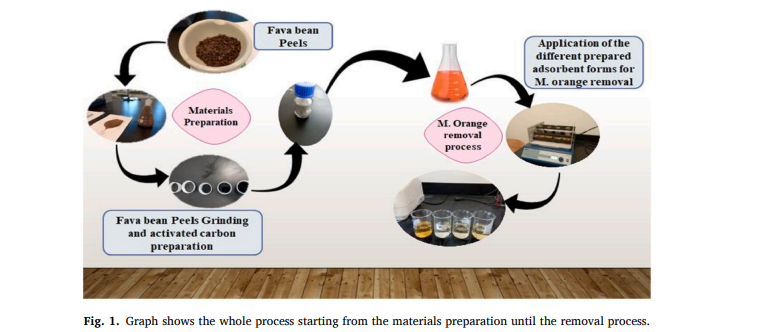
Experimental investigation of methyl-orange removal using eco-friendly cost-effective materials raw fava bean peels and their formulated physical, and chemically activated carbon
The discharge of effluents from dye industries into water streams poses a significant environmental and public health risk. In response, eco-friendly adsorbents derived from agricultural waste, such as Fava Bean Peels (R–FBP), have been investigated as potential materials for the removal of such pollutants. In this study, R–FBP and their corresponding physical and chemically activated carbon (P-RFB-AC and C-FBP-AC) were synthesized using H3PO4 acid and characterized using FT-IR, and SEM analyses. An optimization process was conducted to determine the optimum conditions for achieving high
Valorization of Agricultural and Marine Waste for Fabrication of Bio-Adsorbent Sheets
Industrial wastewater often contains considerable amounts of toxic pollutants that would endanger public health and the environment. In developing countries, these toxins are often discharged into natural ecosystems without pretreatment as it requires costly treatment processes, which causes long-term harmful socioeconomic impacts. Employing wastewater treatment plants using physical, biological, and chemical methods to clean the wastewater is considered by many nations the answer to the environmental crises. The treated water could be used for targeting the irrigation systems in its majority
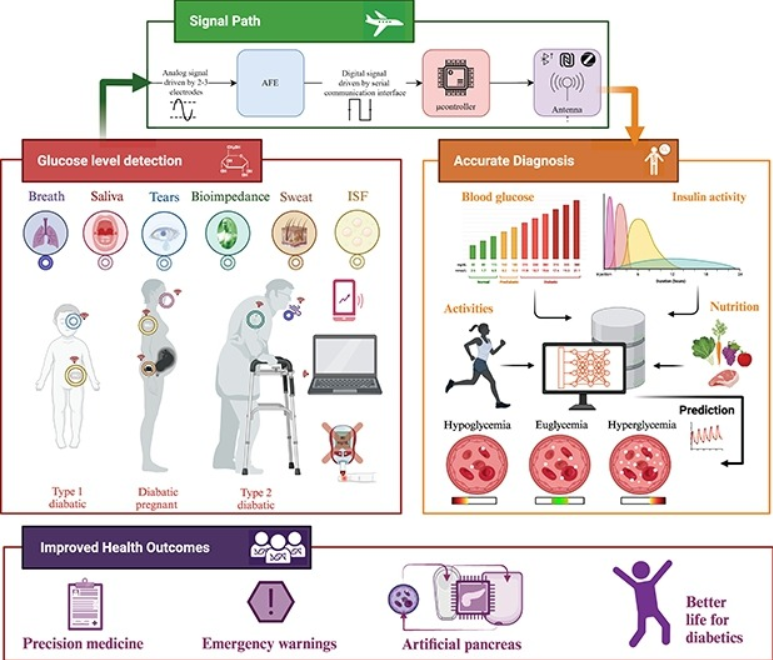
Wearable devices for glucose monitoring: A review of state-of-the-art technologies and emerging trends
Diabetes is a chronic condition that is characterized by high blood glucose levels and can cause damage to multiple organs over time. Continuous monitoring of glucose levels is essential for both diabetic and non-diabetic individuals. There have been major developments in glucose monitoring technology over the past decade, which have been driven by research and industry efforts. Despite these significant advancements, the area of glucose biosensors still faces significant challenges. This paper presents a comprehensive summary of the latest glucose monitoring technologies, including invasive
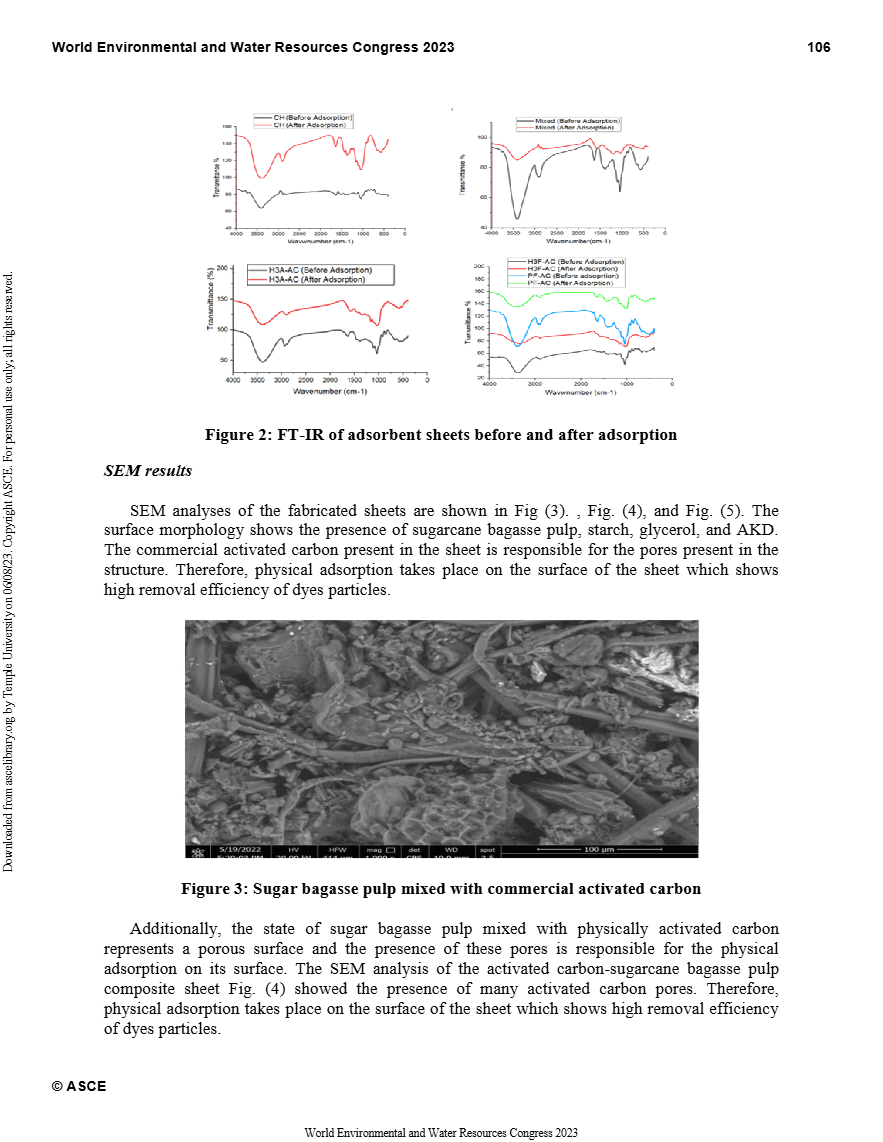
Commercial Versus Natural Activated Carbon Fabricated Sheets: Applied to Dyes Removal Application
Industrial dyes are considered one of the main causes of increased water pollution of water. Many businesses, such as steel and paper, are located along riverbanks because they require large amounts of water in their manufacturing processes, and their wastes, which contain acids, alkalis, dyes, and other chemicals, are dumped and poured into rivers as effluents. For example, chemical enterprises producing aluminum emit a significant quantity of fluoride into the air and effluents into water bodies. Fertilizer facilities produce a lot of ammonia, whereas steel plants produce cyanide. Many
A collection of interdisciplinary applications of fractional-order circuits
An attractive feature of fractional calculus is its application in various interdisciplinary fields, extending from biomedical and biological notions to mechanical properties. For their description, fractional-order models have outperformed the corresponding integer-order models, resulting in a more realistic behavior, due to the additional degrees of freedom offered and the long-term memory effect that reflects the fractional order. These improved features are processed by appropriate circuit implementations, derived through several approximation methods, whose primary objective is to provide
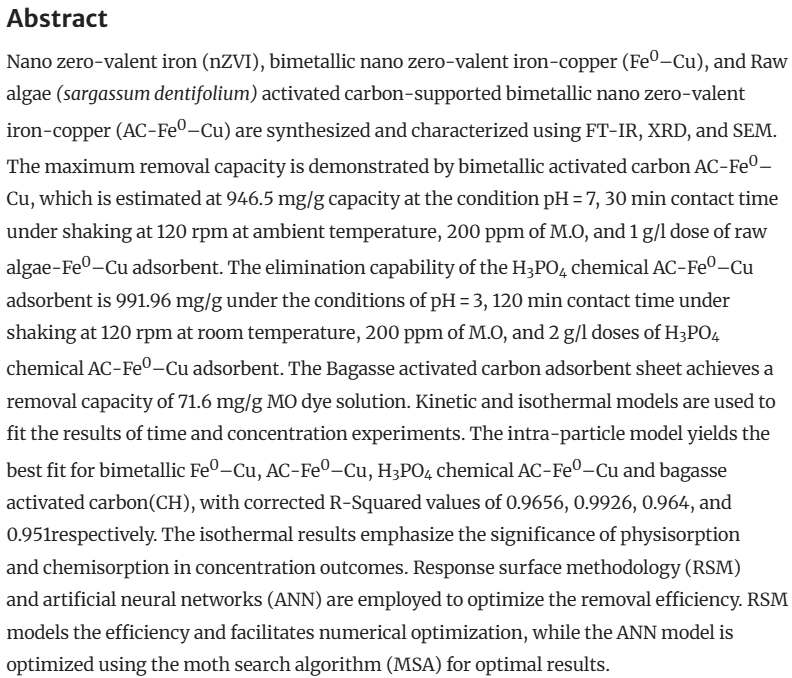
Bio-inspired adsorption sheets from waste material for anionic methyl orange dye removal
Abstract: Nano zero-valent iron (nZVI), bimetallic nano zero-valent iron-copper (Fe0–Cu), and Raw algae (sargassum dentifolium) activated carbon-supported bimetallic nano zero-valent iron-copper (AC-Fe0–Cu) are synthesized and characterized using FT-IR, XRD, and SEM. The maximum removal capacity is demonstrated by bimetallic activated carbon AC-Fe0–Cu, which is estimated at 946.5 mg/g capacity at the condition pH = 7, 30 min contact time under shaking at 120 rpm at ambient temperature, 200 ppm of M.O, and 1 g/l dose of raw algae-Fe0–Cu adsorbent. The elimination capability of the H3PO4
Biological souring and mitigation strategies in oil reservoirs
Biological souring is one of the major problems facing the oil and gas sector as a result of biogenic sulfide generation in the reservoirs. Sulfidogenic microorganism and particularly sulfate-reducing bacteria are the main generator of the biogenic sulfide. In consequence, souring has a plethora of economic and environmental problems. It has a negative impact on the petroleum industry, where the generated sulfide lowers air quality and causes adverse health problems due to its toxicity and carcinogenicity. Furthermore, it affects the whole industry by reducing the product quality and enhancing
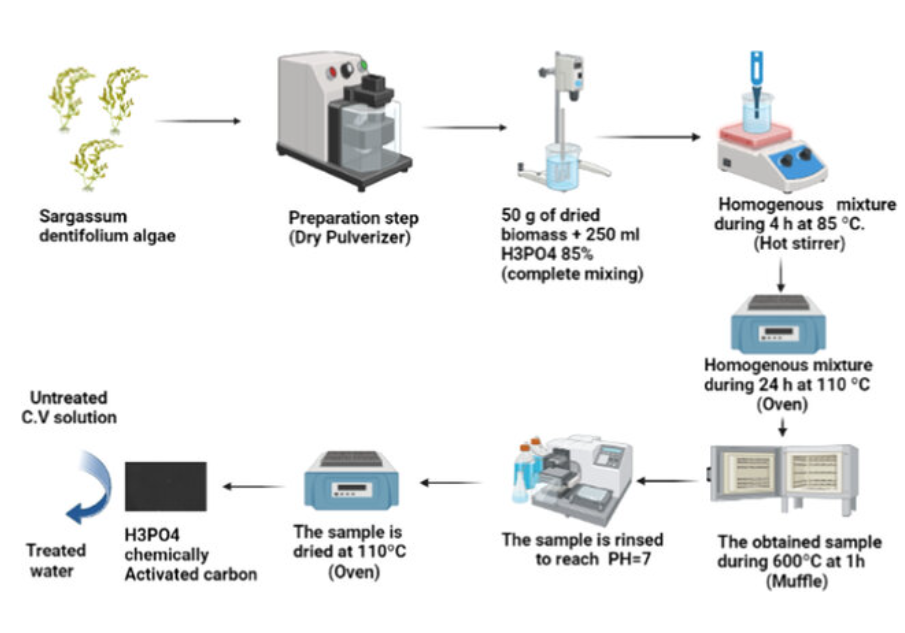
Crystal violet removal using algae-based activated carbon and its composites with bimetallic Fe0-Cu
The textile industry is considered a source of pollution because of the discharge of dye wastewater. The dye wastewater effluent has a significant impact on the aquatic environment. According to the World Bank, textile dyeing, and treatment contribute 17 to 20% of the pollution of water. This paper aims to prepare the bimetallic nano zero-valent iron-copper (Fe0-Cu), algae-activated carbon, and their composites (AC-Fe0-Cu), which are employed as adsorbents. In this paper, Synthetic adsorbents are prepared and examined for the adsorption and removal of soluble cationic crystal violet (CV) dye