
Generalized analysis of symmetric and asymmetric memristive two-gate relaxation oscillators
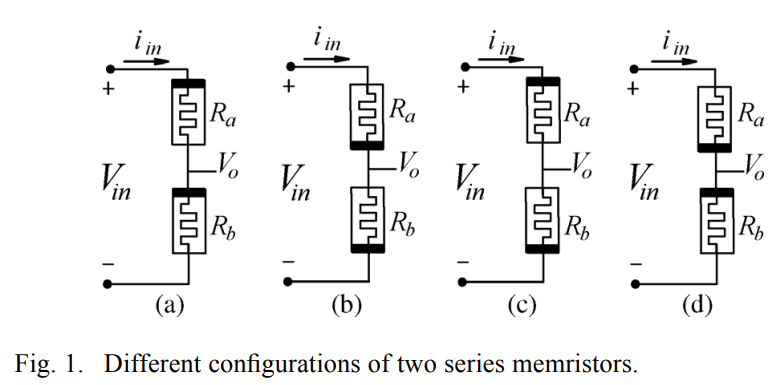
Memristive oscillators are a novel topic in nonlinear circuit theory, where the behavior of the reactive elements is emulated by the memristor. This paper presents symmetric and asymmetric memristive two-gate relaxation oscillators. First, the analysis of the two series memristors is introduced to study the effect of changing their polarities, as well as the mobility factor to be used in the two-gate relaxation oscillator instead of the RC circuit. The generalized analysis for the proposed memristive two-gate oscillator is introduced, where the generalized expressions for the oscillation
Design methodology for square wave resonant clock generators
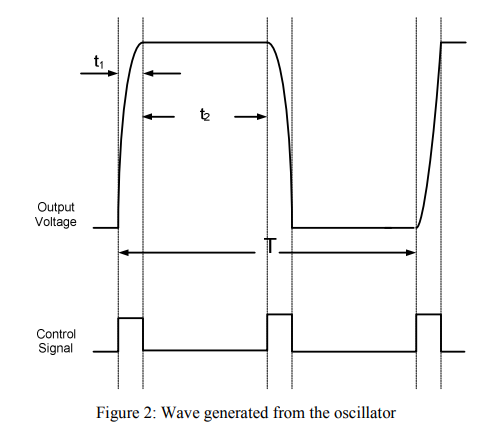
Resonant clocking is a promising low power alternative for conventional clocking method. In this work, a design methodology is presented for square wave resonant clocking technique to assure minimum power consumption. These equations were verified by designing a differential clock generator which showed 55% power savings compared to conventional clocking. © 2012 IEEE.
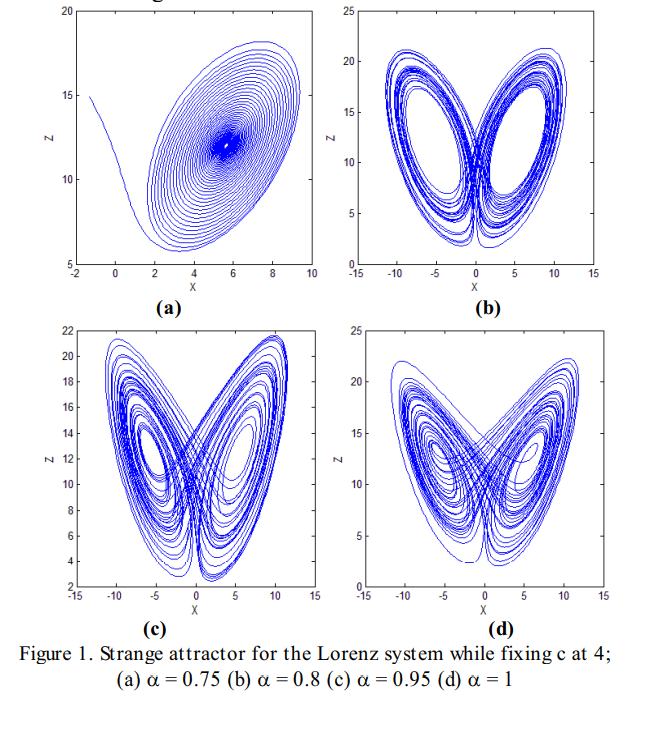
Image encryption in the fractional-order domain
This paper presents a new image encryption scheme based on the fractional-order Lorenz system which gives more degrees of freedom in key generation. In the modified fractional-order system, the key length is doubled using the three fractional-orde r parameters beside the three initial conditions, which makes it invulnerable to brute-force attacks. In addition, using a very simple algorithm, based on pixel confusion only, strongly encrypted images are produced. Such an algorithm can be used in real time applications. To evaluate the algorithm and analyze the encryption results, a standard image
On the accuracy of commonly used loss models in SCVRs
[No abstract available]
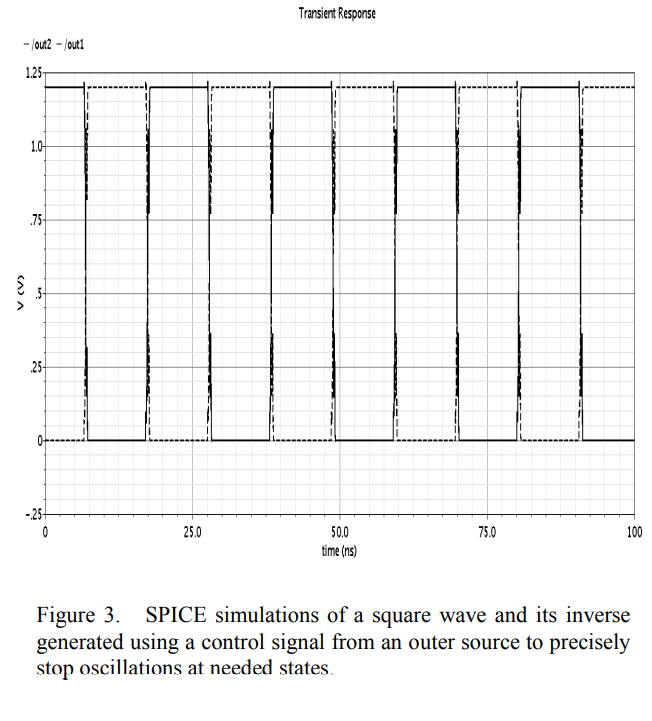
Low power clock generator using charge recycling
A major portion of the power consumed in today's systems is due to the clock distribution network. Solutions attempted to reduce clocking power result in low efficiency systems or systems with high complexity control schemes. In this work, a low power clock generator is introduced that can reduce switching power of the clock by almost 75%. This circuit uses the charge recycling concept to achieve such power reduction while utilizing a simple control technique. ©2010 IEEE.
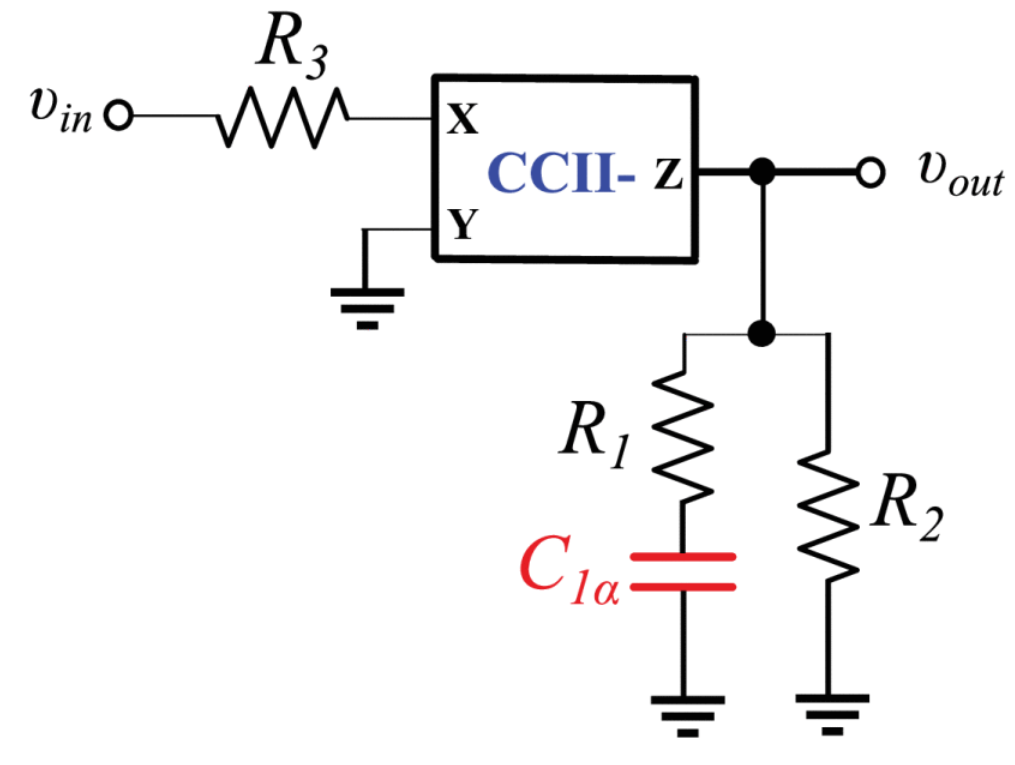
Fractional-Order and Power-Law Shelving Filters: Analysis and Design Examples
Low-pass and high-pass non-integer order shelving filter designs, which are suitable for acoustic applications, are presented in this work. A first design is based on a standard fractional-order bilinear transfer function, while a second one is based on the transposition of the integer-order transfer function into its power-law counterpart. Both transfer functions are approximated using the Oustaloup approximation tool, while the implementation in the case of the power-law filters is performed through the employment of the concept of driving-point impedance synthesis. An attractive benefit is
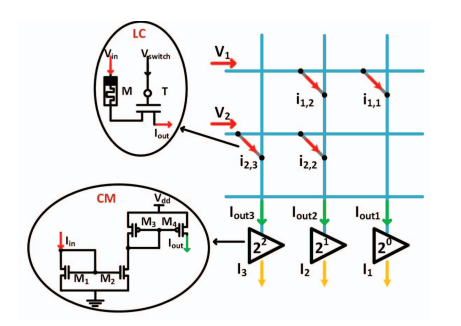
Current-Mode Multiplier Accumulator Design using a Memristor-Transistor Crossbar Architecture
This paper discusses the implementation of a Multiplier Accumulator (MAC) design using memristor and crossbar architecture. MAC consists of an array of memristors alongside transistors making a cell that works as a switch (i.e., turned ON or OFF). When a cell is selected, it adds the current in the array path, followed by a current mirror circuit amplified to determine the accumulated current. A traditional MAC is also implemented to compare it with the proposed MAC. The proposed MAC consumed power of 3.9μW, while the traditional MAC consumed power of 19μW. The delay of the proposed MAC is 1
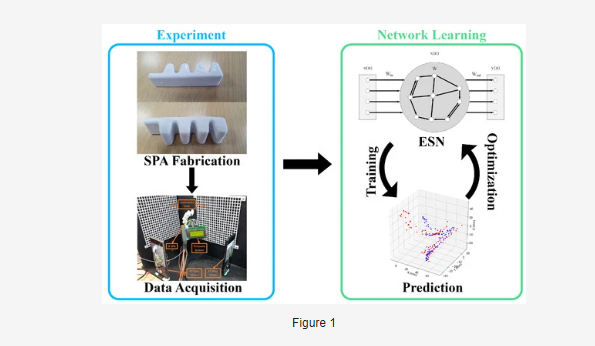
Modeling of Soft Pneumatic Actuators with Different Orientation Angles Using Echo State Networks for Irregular Time Series Data
Modeling of soft robotics systems proves to be an extremely difficult task, due to the large deformation of the soft materials used to make such robots. Reliable and accurate models are necessary for the control task of these soft robots. In this paper, a data-driven approach using machine learning is presented to model the kinematics of Soft Pneumatic Actuators (SPAs). An Echo State Network (ESN) architecture is used to predict the SPA’s tip position in 3 axes. Initially, data from actual 3D printed SPAs is obtained to build a training dataset for the network. Irregularintervals pressure
On numerical approximations of fractional-order spiking neuron models
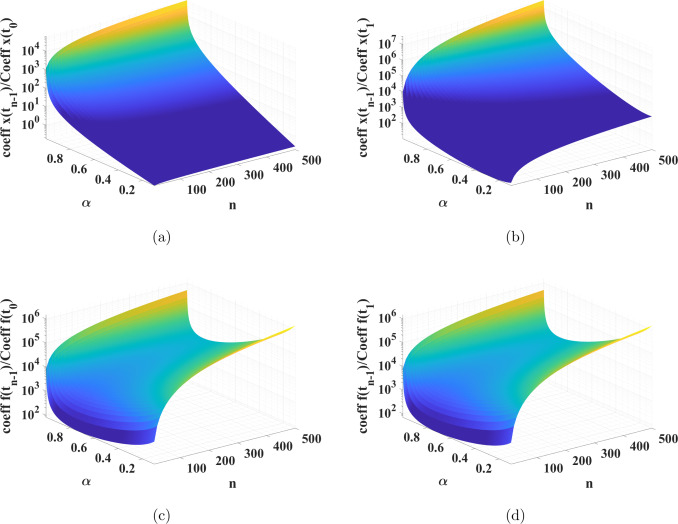
Fractional-order spiking neuron models can enrich model flexibility and dynamics due to the extra degrees of freedom. This paper aims to study the effects of applying four different numerical methods to two fractional-order spiking neuron models: the Fractional-order Leaky integrate-and-fire (FO-LIF) model and the Fractional-order Hodgkin–Huxley (FO-HH) model. Furthermore, some adjustments to these models are proposed, and the effect of reducing the memory size is investigated. We first propose a new realistic formulation for Fo-LIF model to better describe its functionality that is aligned
Modeling and characterization of carrier mobility for truncated conical quantum dot infrared photodetectors
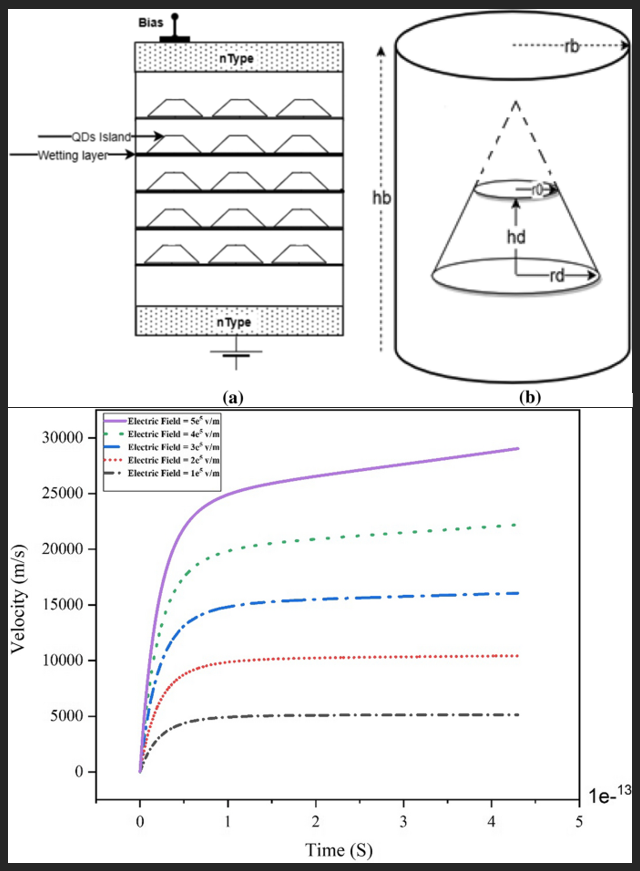
In the present paper, a theoretical model for calculating the carrier mobility which is a result of the existence of a truncated conical quantum dots of n-type quantum dot infrared photodetectors (QDIPs) is developed. This model is built on solving Boltzmann’s transport equation that is a complex integro-differential equation describing the carrier transport. The time-domain finite-difference method is used in this numerical solution. The influences of dimensions and density of the QDs for this structure on the carrier mobility are studied. Eventually, the calculated mobility for truncated