

Biological souring and mitigation strategies in oil reservoirs
Biological souring is one of the major problems facing the oil and gas sector as a result of biogenic sulfide generation in the reservoirs. Sulfidogenic microorganism and particularly sulfate-reducing bacteria are the main generator of the biogenic sulfide. In consequence, souring has a plethora of economic and environmental problems. It has a negative impact on the petroleum industry, where the generated sulfide lowers air quality and causes adverse health problems due to its toxicity and carcinogenicity. Furthermore, it affects the whole industry by reducing the product quality and enhancing
Bio-inspired adsorption sheets from waste material for anionic methyl orange dye removal
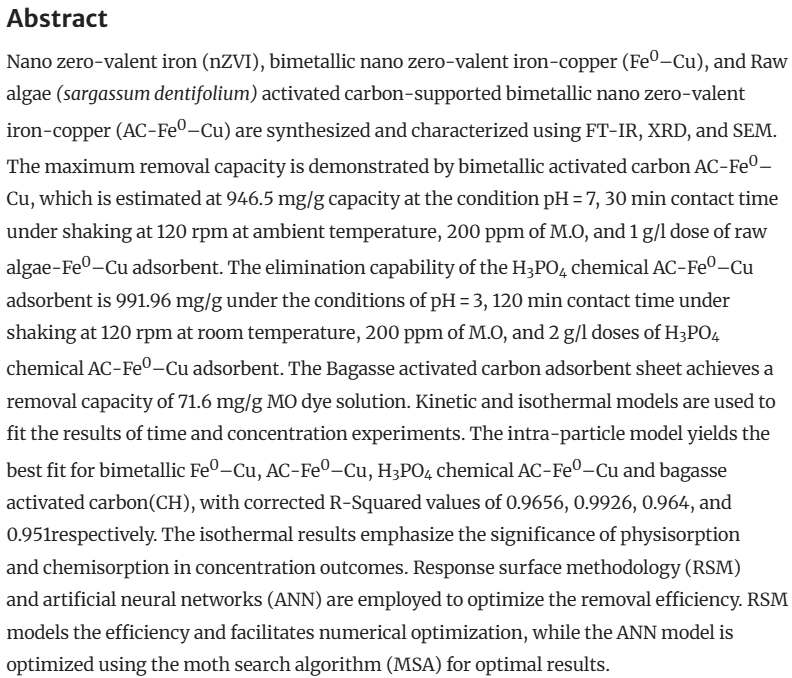
Abstract: Nano zero-valent iron (nZVI), bimetallic nano zero-valent iron-copper (Fe0–Cu), and Raw algae (sargassum dentifolium) activated carbon-supported bimetallic nano zero-valent iron-copper (AC-Fe0–Cu) are synthesized and characterized using FT-IR, XRD, and SEM. The maximum removal capacity is demonstrated by bimetallic activated carbon AC-Fe0–Cu, which is estimated at 946.5 mg/g capacity at the condition pH = 7, 30 min contact time under shaking at 120 rpm at ambient temperature, 200 ppm of M.O, and 1 g/l dose of raw algae-Fe0–Cu adsorbent. The elimination capability of the H3PO4
Enhanced removal of crystal violet using rawfava bean peels, its chemically activated carbon compared with commercial activated carbon
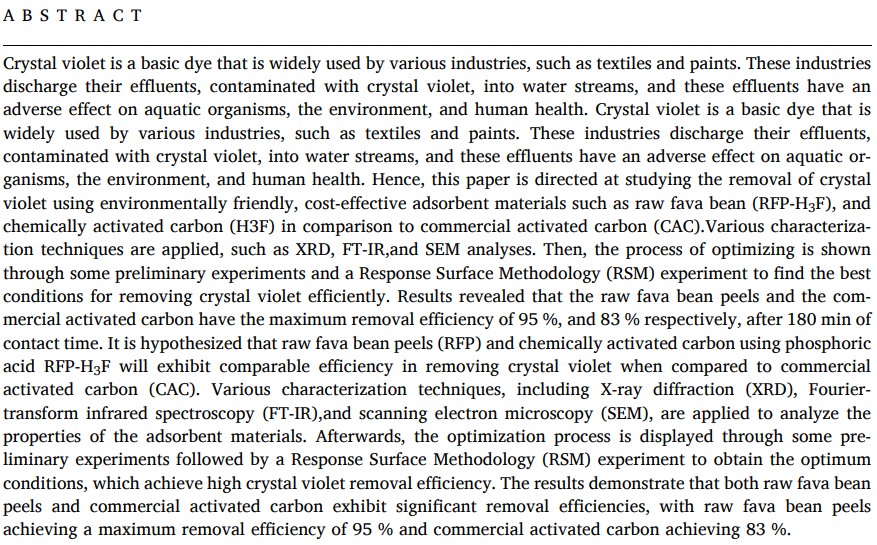
Crystal violet is a basic dye that is widely used by various industries, such as textiles and paints. These industries discharge their effluents, contaminated with crystal violet, into water streams, and these effluents have an adverse effect on aquatic organisms, the environment, and human health. Crystal violet is a basic dye that is widely used by various industries, such as textiles and paints. These industries discharge their effluents, contaminated with crystal violet, into water streams, and these effluents have an adverse effect on aquatic organisms, the environment, and human health

Commercial Versus Natural Activated Carbon Fabricated Sheets: Applied to Dyes Removal Application
Industrial dyes are considered one of the main causes of increased water pollution of water. Many businesses, such as steel and paper, are located along riverbanks because they require large amounts of water in their manufacturing processes, and their wastes, which contain acids, alkalis, dyes, and other chemicals, are dumped and poured into rivers as effluents. For example, chemical enterprises producing aluminum emit a significant quantity of fluoride into the air and effluents into water bodies. Fertilizer facilities produce a lot of ammonia, whereas steel plants produce cyanide. Many

COVID-19 Diagnosis from CT-images Using Transfer Learning
In symptomatic patients, a positive COVID-19 test is critical for securing life-saving services such as ICU care and ventilator support; it may cause septic shock, septic pneumonia, respiratory failure, heart difficulties, liver issues, and even death. CAD systems help people in rural places and doctors in the early detection of COVID-19. A diagnostic and severity detection technique utilizing transfer learning and a backpropagation neural network has been developed with the aid of a computer for this purpose. This study aims to compare and analyze multiple deep learning-enhanced strategies
Experimental investigation of methyl-orange removal using eco-friendly cost-effective materials raw fava bean peels and their formulated physical, and chemically activated carbon
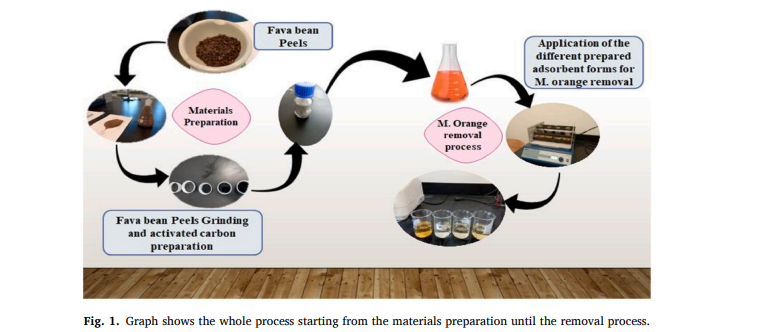
The discharge of effluents from dye industries into water streams poses a significant environmental and public health risk. In response, eco-friendly adsorbents derived from agricultural waste, such as Fava Bean Peels (R–FBP), have been investigated as potential materials for the removal of such pollutants. In this study, R–FBP and their corresponding physical and chemically activated carbon (P-RFB-AC and C-FBP-AC) were synthesized using H3PO4 acid and characterized using FT-IR, and SEM analyses. An optimization process was conducted to determine the optimum conditions for achieving high
Study of Energy Harvesters for Wearable Devices
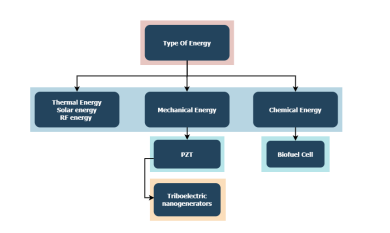
Energy harvesting was and still an important point of research. Batteries have been utilized for a long time, but they are now not compatible with the downsizing of technology. Also, their need to be recharged and changed periodically is not very desirable, therefore over the years energy harvesting from the environment and the human body have been investigated. Three energy harvesting methods which are the Piezoelectric energy harvesters, the Enzymatic Biofuel cells, and Triboelectric nanogenerators (TENGs) are being discussed in the paper. Although Biofuel cells have been investigated for a
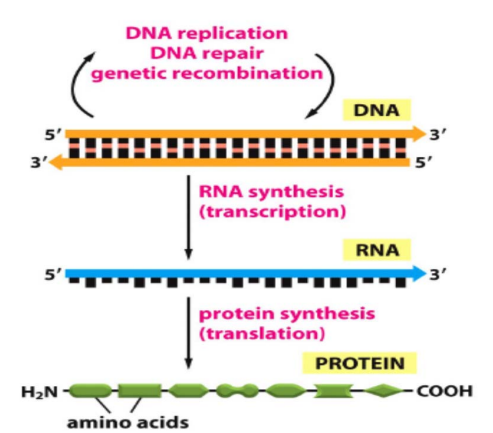
Mathematical analysis of gene regulation activator model
This paper presents a complete analysis of the mathematical model of the gene regulation process. The model describes the induced gene expression under the effect of activators. The model differential equations are solved analytically, and the exact solution of the gene model is introduced. Moreover, a study of the model dynamics, including the fixed points and stability conditions are presented. The parameters effects on the phase plane portraits and the transient responses of the mRNA as well as the protein concentrations are intensively detailed. This work serves as a brick stone towards a
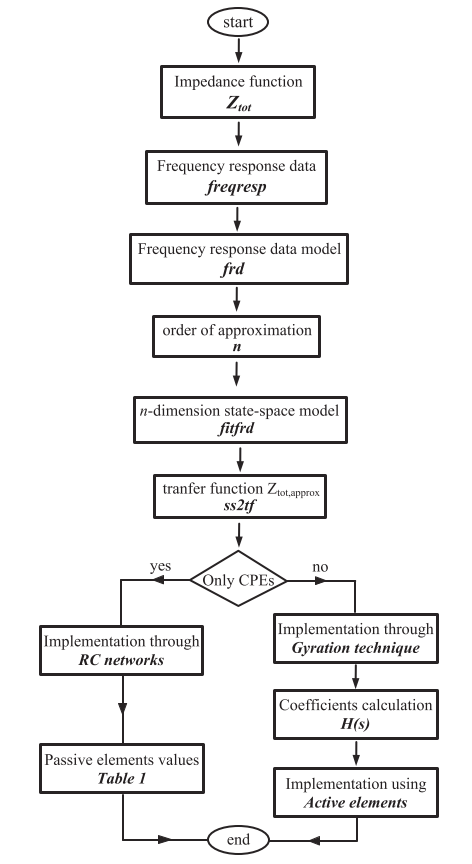
Simple implementations of fractional-order driving-point impedances: Application to biological tissue models
A novel procedure for the circuit implementation of the driving-point impedance of frequency-domain material models, constructed from fractional-order elements of arbitrary type and order, is introduced in this work. Following this newly introduced concept, instead of emulating separately each fractional-order element in the model under consideration, the direct emulation of the complete model can be achieved through the approximation of the total impedance function. The magnitude and phase frequency responses of the impedance function are first extracted and approximated through curve-fitting
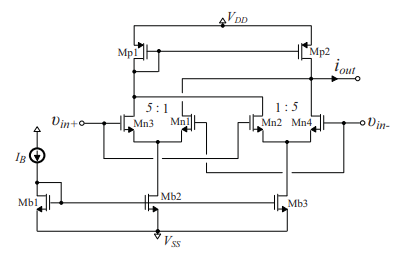
Design of fractional-order differentiator-lowpass filters for extracting the R peaks in ECG signals
An implementation of a fractional-order differentiator-lowpass filter is presented in this work, which is constructed from Operational Transconductance Amplifiers as active cells. This offers the benefits of electronic tuning and, also, of monolithic implementation. The presented scheme has been employed for the extraction of the R peaks in electrocardiogram signals due to its efficiency for performing this task even in a noisy environment. The provided post-layout simulation results confirm the correct operation of this solution as well as its reasonable sensitivity characteristics. © 2019